
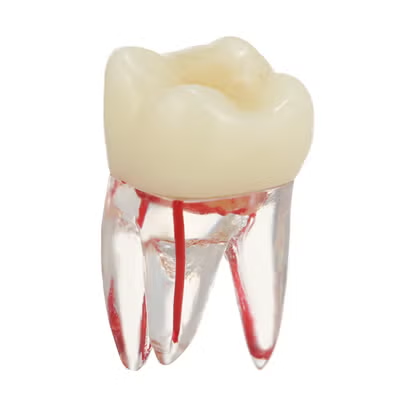
Description
- Practice Endo Tooth #16Endo Tooth #16, the upper left third molar, commonly known as the wisdom tooth, presents unique challenges and opportunities for endodontic practice. This tooth is often the subject of root canal treatments due to its tendency to become impacted or infected, making it an essential focus for dental students and practitioners honing their skills.
In terms of anatomy, tooth #16 typically features three roots—two buccal and one palatal—each housing one or more canals. The complexity of these canals often varies, with possible variations including additional accessory canals or unusual curvature, which can complicate the treatment process. Understanding the anatomy of tooth #16 is crucial for successful endodontic intervention, as accurate diagnosis and treatment planning are key to achieving favorable outcomes.
Practicing on tooth #16 allows students to familiarize themselves with various techniques, such as access cavity preparation, cleaning, shaping, and obturation of the root canals. Mastery of these techniques is essential for effective root canal therapy, as they directly impact the tooth’s long-term prognosis. Moreover, hands-on practice with tooth #16 enables students to develop their tactile skills and confidence when navigating complex canal systems.
In a clinical setting, tooth #16 often requires a careful approach to anesthesia administration, given its location and potential for variation in anatomy. Additionally, practitioners must consider the patient’s comfort and the potential for postoperative complications, such as infection or the need for retreatment.
Overall, practicing endodontic procedures on tooth #16 serves as a vital component of dental education, equipping future dentists with the knowledge and skills necessary to tackle one of the most challenging areas of dental care. With the right training and experience, practitioners can effectively manage tooth #16, ensuring the best possible outcomes for their patients.






There are no reviews yet.